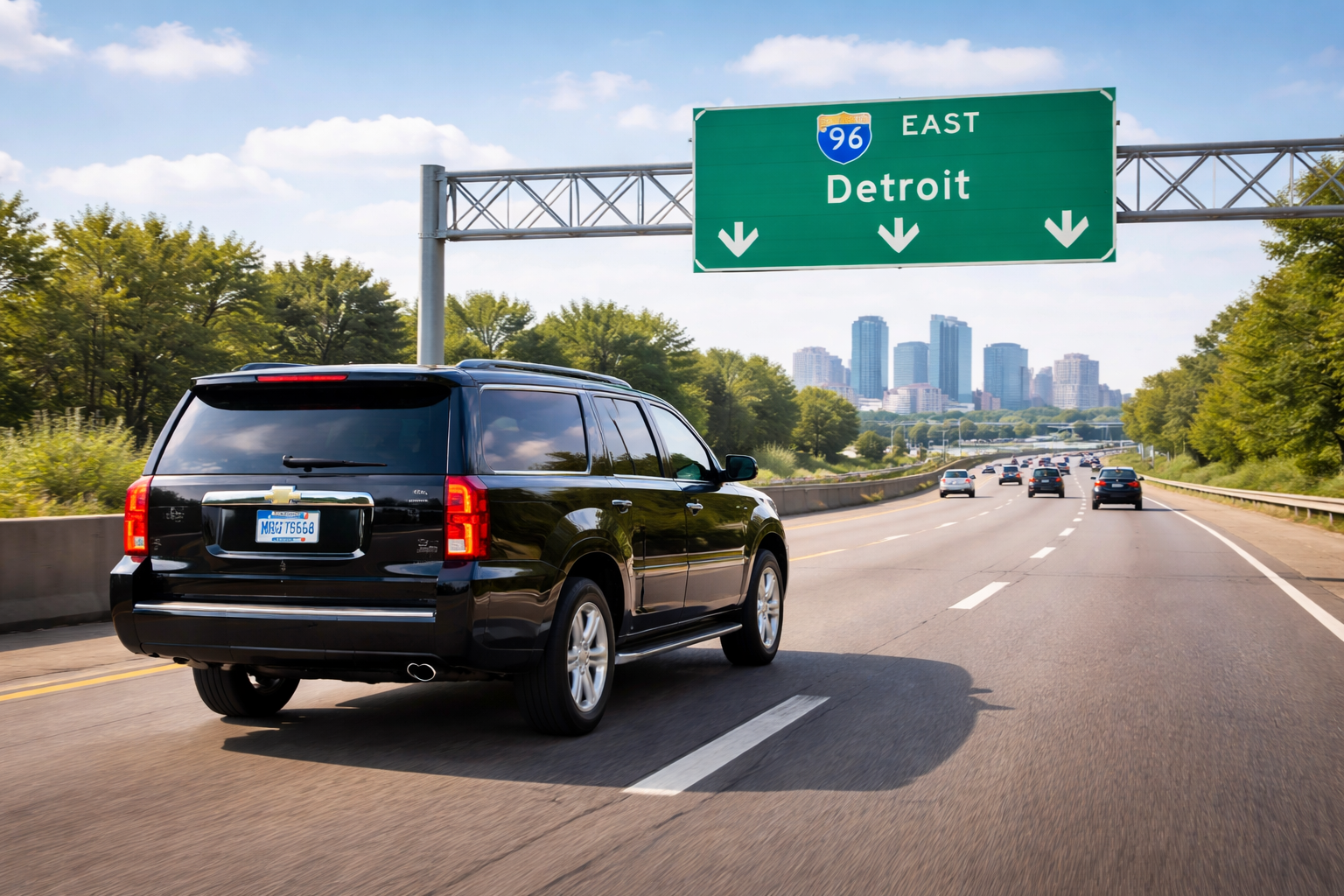
Reliability is one of the most important factors in transportation, yet it is often misunderstood. In Michigan, where weather conditions, long travel distances, and time sensitive schedules intersect, transportation reliability depends less on availability and more on planning, accountability, and operational control. This distinction is where chauffeur services consistently differ from app based ride platforms.
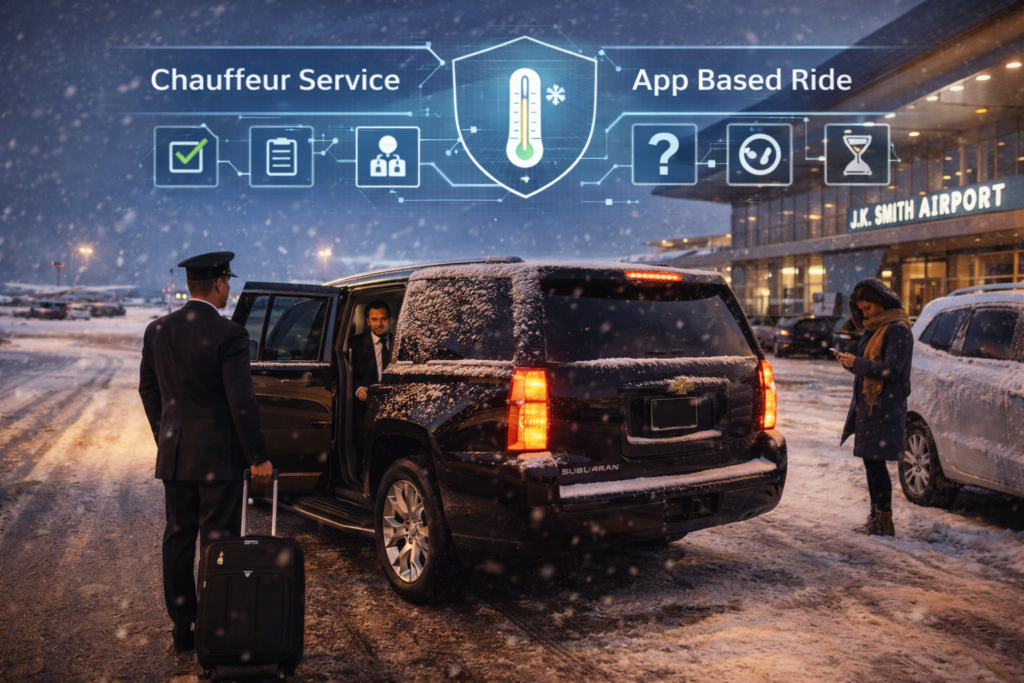
Reliability in Transportation Defined by Industry Standards
From an industry perspective, reliability means more than a vehicle showing up eventually. It refers to predictable pickup times, consistent service quality, trained drivers, and contingency planning when conditions change. Transportation providers measure reliability by their ability to meet commitments regardless of traffic, weather, or demand fluctuations.
Chauffeur services are built around these principles, while app based rides are designed primarily for short distance, on demand use where flexibility is prioritized over certainty.
Operational Differences That Drive Reliability
Scheduled Service Versus Availability Based Dispatch
Chauffeur services operate on pre arranged schedules. Pickups are planned in advance, routes are considered ahead of time, and buffer windows are built into trip timing. This structure allows transportation to function as a managed process.
App based rides depend on real time driver availability. During peak demand, late hours, or adverse weather, availability can change quickly, introducing uncertainty into pickup timing and trip completion.
Centralized Oversight and Dispatch Control
Professional chauffeur services use dispatch teams to monitor trips, track vehicles, and support drivers in real time. If traffic conditions change or delays occur, adjustments are coordinated centrally.
App based platforms rely on individual drivers operating independently, with limited oversight once a ride is accepted. This model reduces consistency when unexpected conditions arise.
Driver Qualifications and Preparation
Professional Chauffeur Standards
Chauffeurs undergo background checks, driving record verification, and service training. Their preparation includes defensive driving, passenger safety, and professional conduct. In Michigan, where winter driving and highway travel are common, this training directly affects trip reliability.
Chauffeurs are also scheduled intentionally, reducing fatigue and ensuring readiness for longer or more complex routes.
Variability in App Based Drivers
App based drivers typically use personal vehicles and set their own schedules. Experience levels, vehicle condition, and familiarity with Michigan driving conditions can vary widely.
This variability introduces inconsistency, particularly for longer trips, early morning travel, or winter conditions.
Vehicle Consistency and Maintenance
Fleet Based Vehicle Management
Chauffeur services operate controlled fleets that are maintained on structured inspection schedules. Vehicles are selected for reliability, comfort, and performance in regional conditions, including snow and ice.
Fleet management reduces the likelihood of mechanical issues disrupting trips.
Personal Vehicle Dependency
App based rides rely on personal vehicles with varying maintenance standards. Mechanical readiness, tire quality, and winter preparedness are not standardized, increasing the risk of service interruptions during challenging conditions.
Reliability During Michigan Weather Conditions
Winter Driving and Contingency Planning
Michigan winters introduce snow, ice, reduced visibility, and unpredictable road conditions. Chauffeur services incorporate weather monitoring and route planning into their operations, adjusting schedules and routes proactively.
Drivers are prepared for winter conditions and supported by dispatch teams if conditions deteriorate.
App Based Ride Limitations in Adverse Weather
During severe weather, app based ride availability often decreases as drivers log off or avoid longer trips. Wait times increase, cancellations become more common, and service reliability declines.
This pattern is particularly noticeable during snowstorms or freezing conditions.
Time Sensitive Travel Scenarios
Airport Transfers and Long Distance Trips
For airport transfers, missed pickups or delays carry significant consequences. Chauffeur services track flight schedules, adjust pickup times, and prioritize punctuality through advance planning.
App based rides may cancel, arrive late, or be unavailable for longer trips, especially during off hours.
Business and Event Transportation
Professional engagements, meetings, and events require precise timing. Chauffeur services support these requirements by operating on confirmed schedules rather than demand based availability.
Reliability in these scenarios is defined by consistency, not convenience.
Accountability and Risk Management
Commercial Insurance and Service Responsibility
Chauffeur services operate under commercial transportation insurance and regulatory oversight. This structure creates clear accountability for service delivery and passenger safety.
From a reliability standpoint, accountability reinforces operational discipline.
Limited Accountability in App Based Models
App based platforms function as intermediaries rather than transportation operators. Responsibility is often distributed across drivers, platforms, and policies, which can complicate resolution when service issues occur.
Why Chauffeur Services Align Better With Michigan Travel Needs
Michigan travel often involves longer distances, variable weather, and time sensitive schedules. Chauffeur services are designed to manage these realities through planning, training, fleet control, and dispatch oversight.
App based rides perform well for short, flexible trips but are not optimized for scenarios where reliability must be guaranteed rather than hoped for.
Reliability as a Function of System Design
From a transportation industry perspective, reliability is the result of system design, not chance. Chauffeur services are structured to deliver consistent outcomes through advance scheduling, professional drivers, vehicle readiness, and operational oversight.
In Michigan, where conditions frequently challenge on demand transportation models, chauffeur services offer a level of reliability that app based rides are not designed to provide. For travelers who value predictability, punctuality, and reduced risk, this distinction becomes increasingly important.