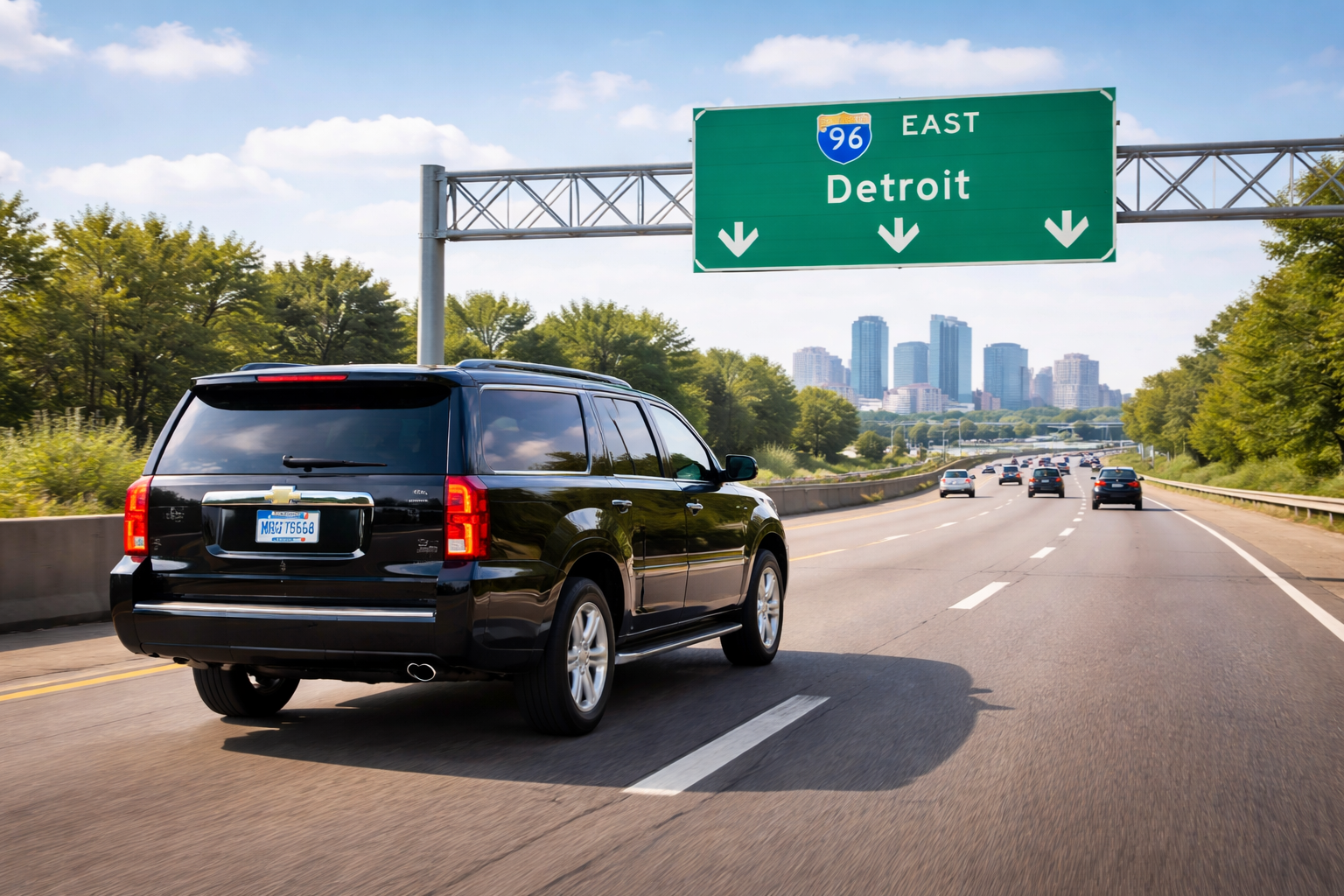
Travel between Grand Rapids and Detroit is a common requirement for residents, professionals, and visitors navigating Michigan’s largest metro areas. The journey covers a substantial distance across major highways and typically involves time-sensitive considerations such as traffic patterns, weather conditions, and arrival coordination. Understanding how different transportation methods function on this route helps travelers choose an option that aligns with their specific needs.
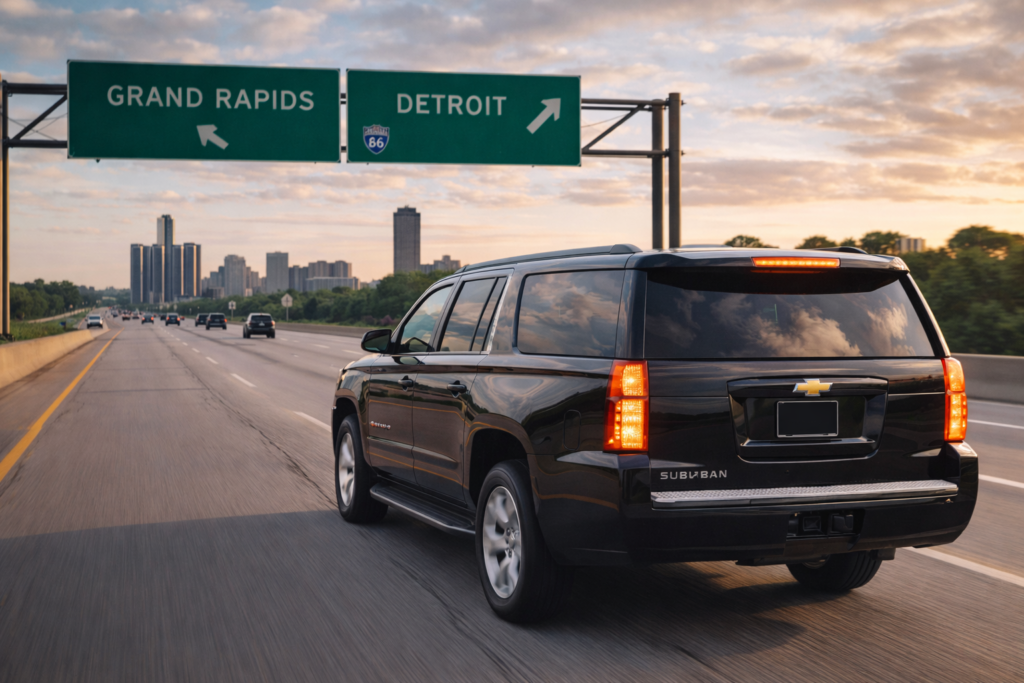
Understanding Intercity Ground Travel in Michigan
Intercity travel differs from local transportation due to distance, duration, and external variables. The Grand Rapids–Detroit corridor includes highway travel, construction zones, seasonal congestion, and weather-related impacts that influence travel time consistency.
From a transportation planning perspective, longer routes require greater attention to timing coordination and route management compared to short urban trips.
Common Transportation Formats Used on This Route
Personal Vehicle Travel
Driving a personal vehicle places responsibility for navigation, traffic monitoring, rest management, and arrival timing entirely on the traveler. Travel time may vary depending on departure hour, weather conditions, and congestion along I-96 and surrounding connectors.
Personal driving offers flexibility but requires continuous attention throughout the trip.
Bus and Scheduled Ground Transportation
Scheduled bus services operate on fixed routes and departure times. Travelers must adapt their schedules to these timeframes and travel to centralized pickup and drop-off locations. Delays or missed departures can extend total travel time.
This format prioritizes shared efficiency rather than individualized timing.
Rail-Based Travel With Transfers
Rail travel typically involves transportation to and from stations at both ends of the journey. While the rail segment itself follows a fixed schedule, additional coordination is required before and after the train ride.
These added segments increase the number of travel transitions involved.
How Door to Door Car Service Functions
Door-to-door car service is structured as a continuous ground transportation process. Pickup occurs at the traveler’s origin location, and drop-off takes place directly at the final destination without intermediate transfers.
This format treats the entire journey as one managed route rather than multiple disconnected segments.
Route Planning and Timing Management
Departure Timing Based on Destination Needs
Rather than operating on fixed schedules, door-to-door car service departure times are calculated based on destination requirements. Travel duration estimates account for typical traffic patterns, construction activity, and seasonal conditions.
This approach focuses on arrival timing rather than departure availability.
Ongoing Route Adjustment
During transit, routing decisions may be adjusted based on real-time traffic conditions. This allows the route to adapt to accidents, congestion, or road closures encountered along the way.
From an operational standpoint, this flexibility supports travel continuity over longer distances.
Travel Environment Over Extended Distances
Passenger Experience During Transit
Longer highway travel places greater emphasis on ride stability, seating comfort, and cabin environment. Vehicles used for intercity service are selected to support extended travel duration without frequent stops or disruptions.
This environment allows passengers to remain seated comfortably throughout the trip.
Use of Travel Time
Passengers may use travel time for rest, reading, or work-related tasks. The absence of driving responsibilities allows attention to remain on personal or professional activities rather than road conditions.
Weather and Seasonal Considerations
Michigan weather introduces variability throughout the year, including snow, ice, and reduced visibility during winter months. Transportation planning for this route often includes weather monitoring and route timing adjustments.
Long-distance ground travel benefits from advance awareness of these conditions.
Typical Situations Where Door to Door Service Is Used
Door-to-door car service is commonly used for:
- Airport transfers involving Detroit-area airports
- Business travel with fixed arrival schedules
- Medical appointments with defined time windows
- Event attendance requiring coordinated arrival
These use cases involve timing sensitivity rather than spontaneous travel.
Transportation Planning as a System
From an industry standpoint, transportation reliability is influenced by how many transitions and variables exist within a journey. Door-to-door car service reduces the number of transitions by maintaining a single vehicle and route from start to finish.