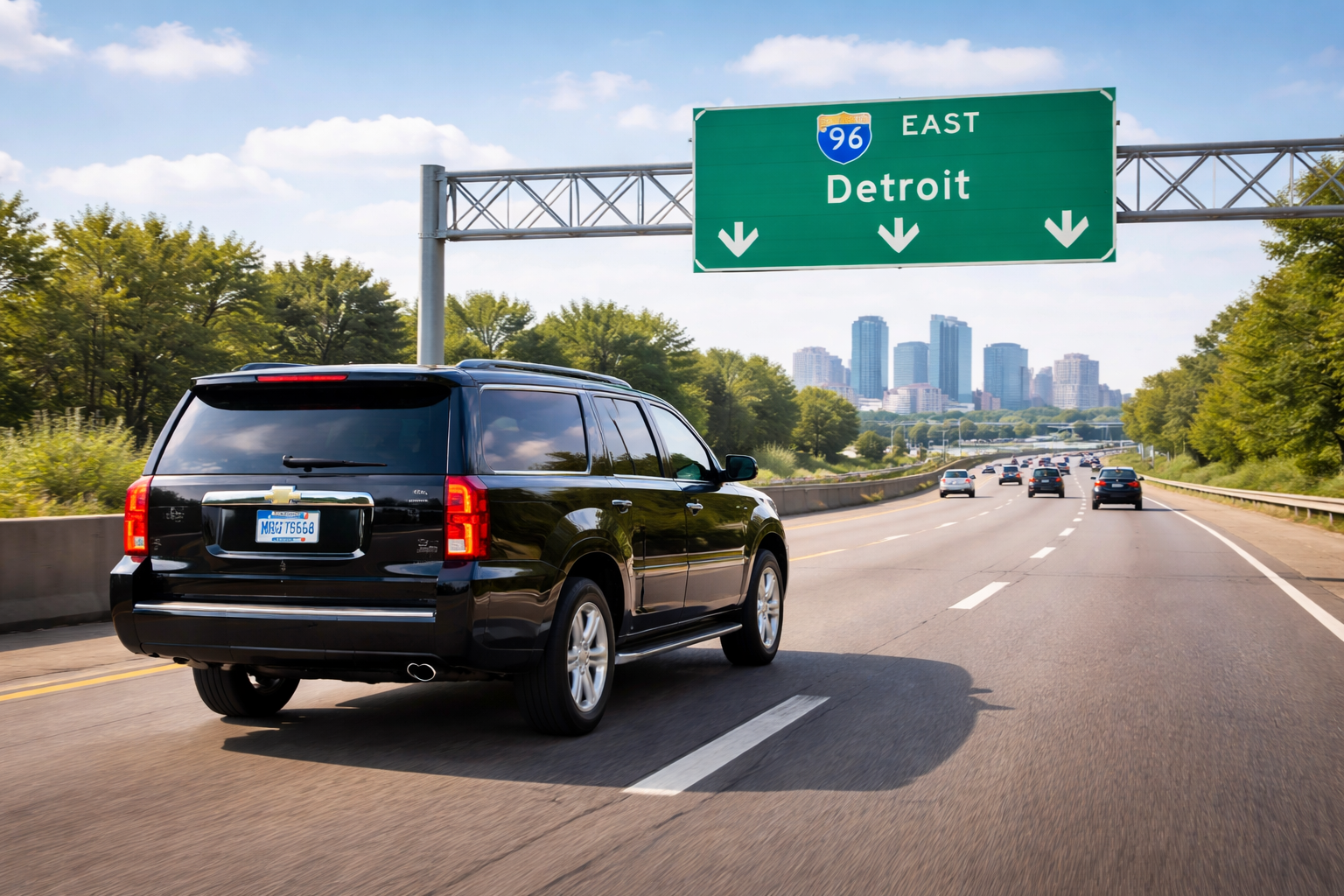
Executive travel in Grand Rapids often includes airport transfers, client meetings, corporate events, and intercity transportation across Michigan. In these situations, transportation is not simply movement between locations. It becomes part of the executive work environment. The choice between self driving and chauffeur service influences time usage, mental focus, schedule reliability, and overall performance during the day.
Understanding the differences between these two transportation models requires examining attention demands, productivity potential, timing control, and operational responsibility.

Attention and Cognitive Load During Travel
Driving as a Continuous Task
Self driving requires sustained attention to traffic patterns, route changes, weather conditions, and surrounding vehicles. Even within Grand Rapids, variables such as construction zones, downtown congestion, and highway slowdowns demand constant monitoring.
For executives preparing for meetings or strategic discussions, dividing attention between driving and professional preparation reduces mental capacity for high level thinking.
Passenger Mode and Focus Preservation
When using a chauffeur service, the executive transitions from driver to passenger. This removes the need to manage navigation, hazard awareness, and traffic decisions.
The result is uninterrupted focus that can be directed toward reviewing documents, participating in calls, or organizing thoughts before arrival.
Productivity During Transit
Non Productive Versus Productive Travel Time
In a self driving scenario, travel time is largely non productive. Communication and work tasks must be limited because primary focus remains on driving conditions.
With chauffeur service, travel time can be used efficiently. Calls, email responses, document review, and meeting preparation can occur throughout the journey without interruption.
Arrival Readiness
After self driving, there is often a transition period required to mentally shift from traffic management to professional engagement. Passenger travel allows executives to arrive prepared and mentally aligned with the purpose of the meeting.
This difference becomes more significant when schedules are tight or multiple appointments are scheduled in one day.
Timing Control and Schedule Reliability
Variability in Self Managed Travel
Self driving requires estimating travel duration based on navigation tools or personal experience. Unexpected congestion, road incidents, or parking delays can affect arrival accuracy.
In downtown Grand Rapids, parking availability and walking distance from garages can extend the total time required beyond the actual drive.
Structured Planning With Chauffeur Service
Chauffeur based transportation operates according to arrival requirements. Departure time is calibrated to protect punctuality, and routes are monitored to manage traffic variability.
This structured timing approach reduces uncertainty, especially for airport departures or fixed business appointments.
Parking and Access Considerations
Managing Parking Logistics
Executives who drive themselves must account for parking access, payment systems, elevator wait times, and building entry procedures. During peak hours or events, these factors introduce additional unpredictability.
These responsibilities extend the transportation window beyond driving time alone.
Direct Drop Off Access
Chauffeur service allows direct access to building entrances or designated drop off points. Eliminating the parking search and retrieval process reduces logistical friction and preserves schedule efficiency.
Weather and Environmental Exposure
West Michigan Weather Conditions
Michigan weather introduces snow, rain, wind, and reduced visibility, particularly during colder months. Self driving in adverse conditions increases physical and mental strain.
Professional transportation planning incorporates weather awareness into departure timing and routing decisions, reducing reactive adjustments during the journey.
Extended Highway Travel
For intercity trips or airport transfers that include sustained highway travel, driving over longer distances increases fatigue. Fatigue affects reaction time and decision consistency.
Passenger travel reduces this cumulative strain.
Confidential Communication and Preparation
In Vehicle Conversations
Executives often need to conduct sensitive discussions while traveling. Self driving limits the ability to engage in extended or complex conversations.
Chauffeur service allows confidential communication without distraction from traffic conditions.
Document and Device Usage
Reviewing contracts, presentations, or reports while driving is not feasible. Passenger travel enables uninterrupted access to materials, supporting stronger preparation before meetings.
Multi Stop and Long Distance Scheduling
Cumulative Impact Across the Day
When travel includes multiple stops across Grand Rapids or longer distances within Michigan, the cumulative effects of driving become more noticeable. Managing navigation, traffic, and parking at each stop increases fatigue.
Chauffeur service centralizes route management and preserves executive energy throughout the schedule.
Adaptive Routing Between Locations
Professional transportation integrates route adjustments between appointments without requiring the executive to manage directions.
This maintains schedule continuity and reduces decision fatigue.
Transportation as a Performance Variable
For executives, transportation influences more than punctuality. It affects concentration, readiness, and consistency throughout the day. Self driving offers direct control but increases responsibility and exposure to variability. Chauffeur service shifts responsibility away from the executive, creating a controlled travel environment that supports focus and schedule integrity.
The comparison between chauffeur service and self driving in Grand Rapids reflects different approaches to time management, risk exposure, and performance optimization within professional travel environments.