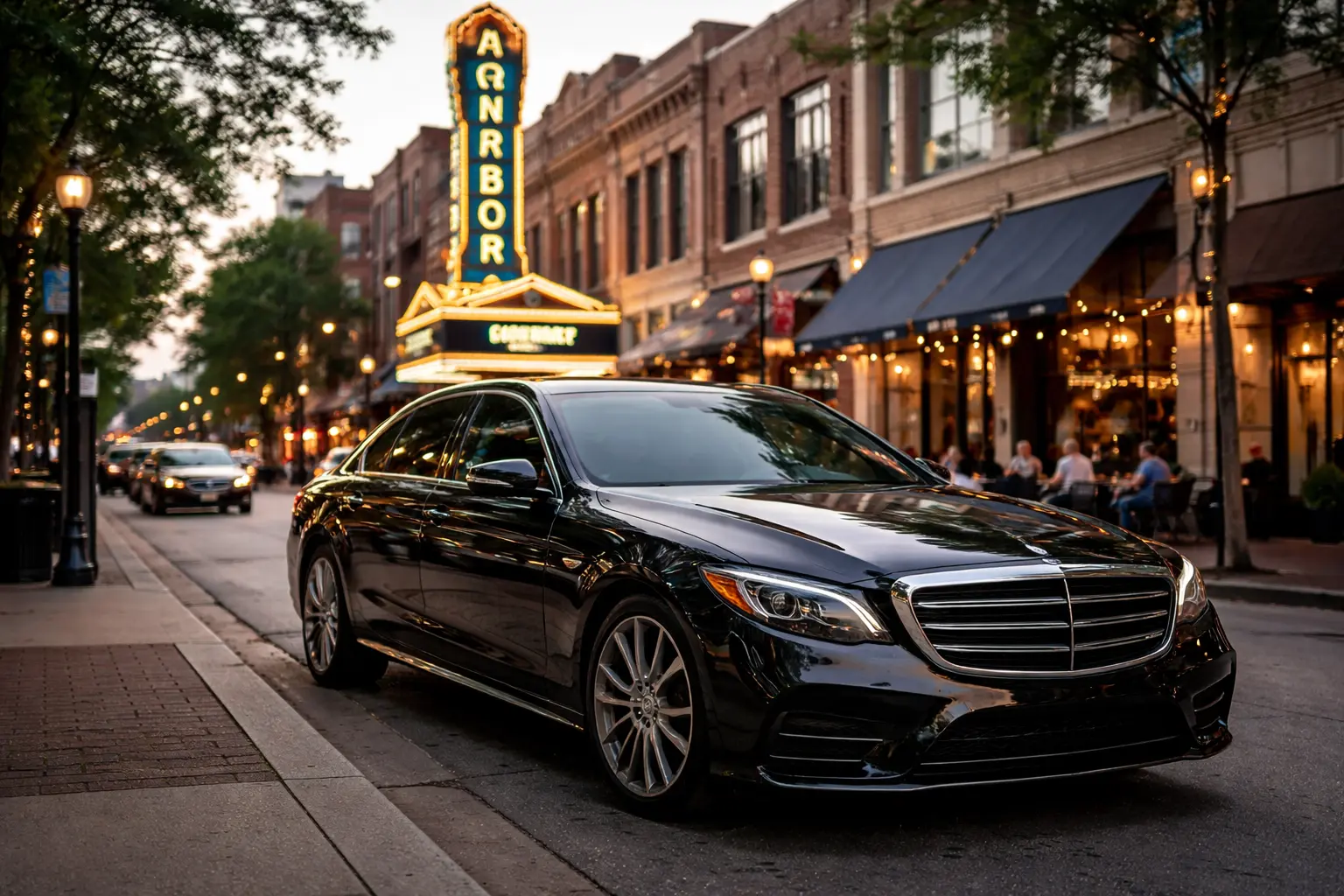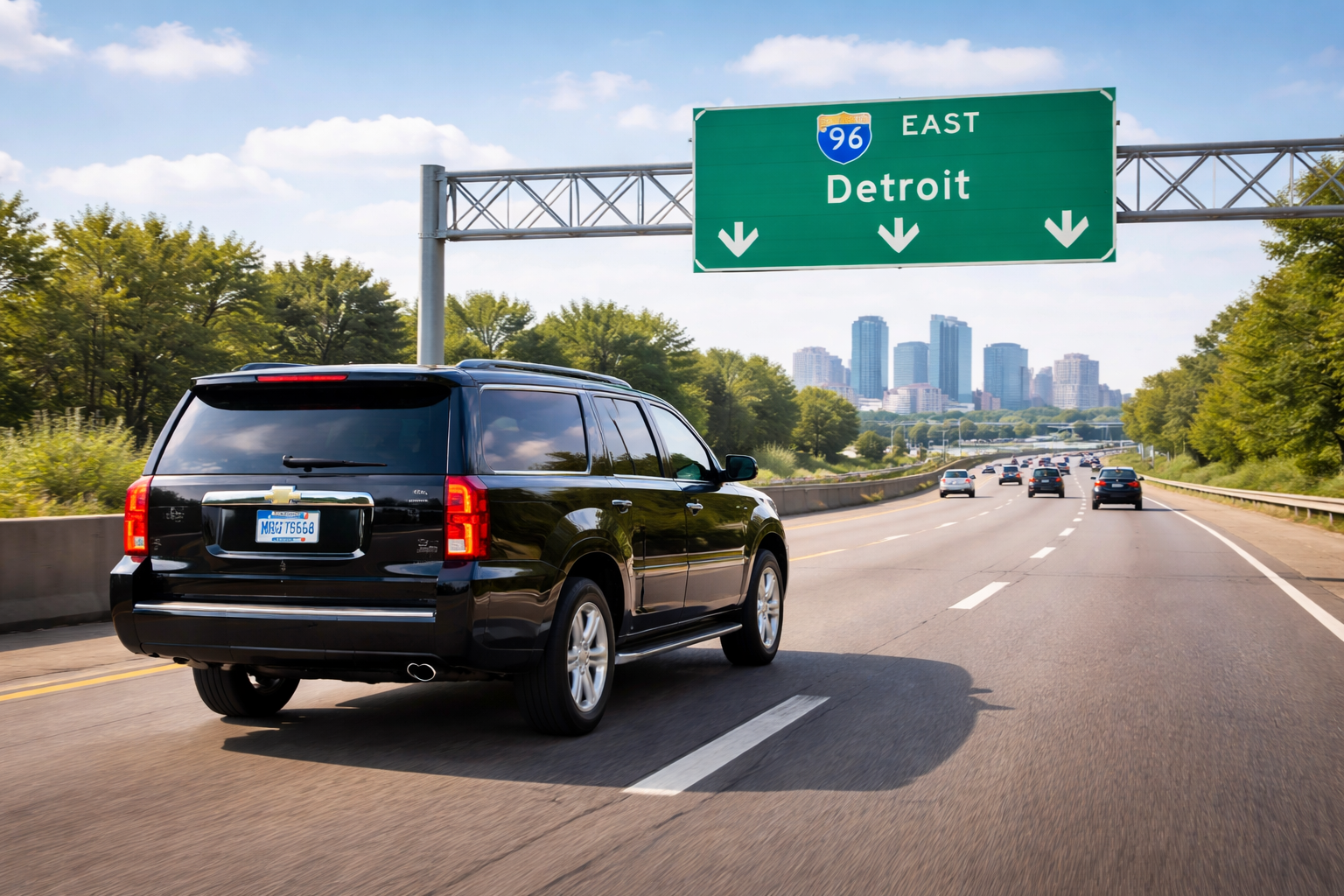
As transportation options continue to evolve across mid sized cities like Grand Rapids Michigan, travelers are often faced with an important decision when arranging ground transportation. The choice between a professional black car service and a rideshare platform such as Uber is no longer just about convenience. It involves considerations related to reliability, safety standards, service consistency, and overall travel experience.
For business travelers, airport passengers, and event attendees, understanding how these transportation models differ is essential for making informed booking decisions that align with specific travel needs.
How Professional Ground Transportation Operates Compared to Rideshare Platforms
The Structure Behind Black Car Services
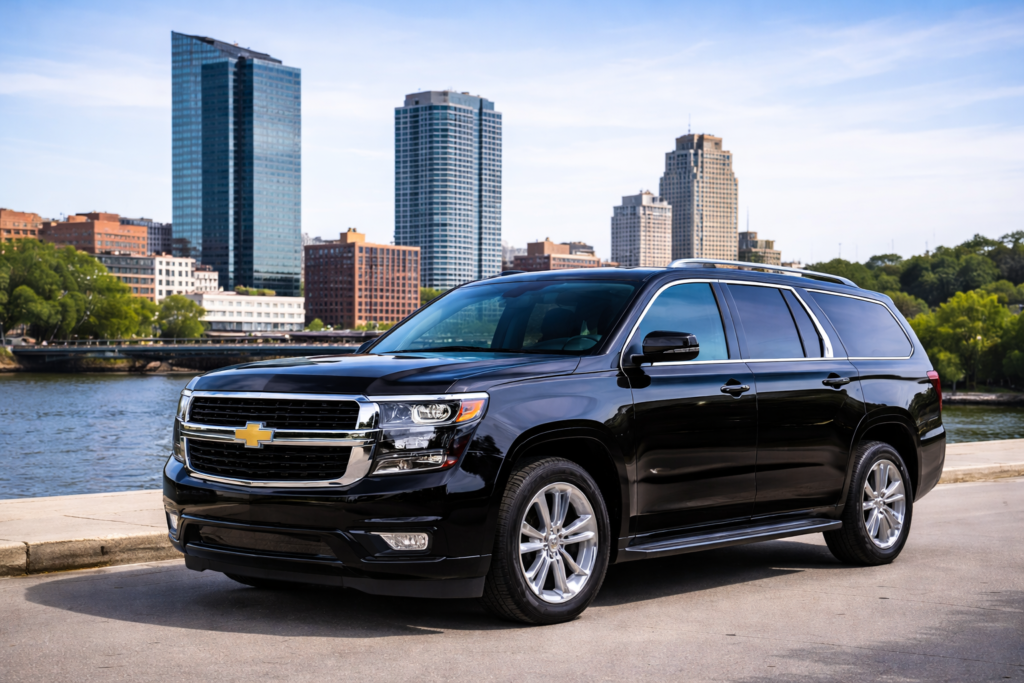
Black car services operate as licensed transportation providers offering pre arranged chauffeured service. Vehicles such as Chevy Suburban SUVs are owned or leased by the company, maintained according to commercial transportation regulations, and driven by professionally trained chauffeurs.
From an industry standpoint, these services emphasize scheduling accuracy, service protocols, and accountability. Dispatch systems monitor vehicle locations, chauffeur availability, and traffic conditions in real time, allowing for controlled service delivery.
How Rideshare Services Function in Practice
Uber operates as a technology platform connecting passengers with independent drivers using personal vehicles. While the platform provides flexibility and on demand availability, the transportation itself is not managed as a unified fleet.
Drivers set their own schedules, vehicles vary widely in condition and size, and service levels depend heavily on individual driver experience rather than standardized operational procedures.
Core Differences Travelers Should Evaluate
Vehicle Standards and Passenger Comfort
Professional black car fleets follow consistent vehicle standards. In Grand Rapids, full size SUVs like the Chevy Suburban are commonly used for their spacious interiors, luggage capacity, and smooth ride quality. Vehicles are inspected regularly, detailed between trips, and configured for passenger comfort.
Rideshare vehicles vary significantly. Passengers may encounter compact sedans, mid size vehicles, or SUVs with inconsistent interior cleanliness and limited luggage space, particularly during peak travel times.
Chauffeur Training and Professionalism
Black car chauffeurs are trained in defensive driving, passenger etiquette, route planning, and discretion. Many have experience handling airport transfers, corporate travel schedules, and high profile clientele. Their role extends beyond driving to managing time sensitive logistics.
Uber drivers operate without formal transportation training requirements beyond platform onboarding. Experience levels vary widely, and service delivery may differ from one ride to the next.
Reliability and Scheduling Accuracy
From an operational standpoint, black car services prioritize punctuality. Reservations are confirmed in advance, vehicles are dispatched early, and chauffeurs monitor flight arrivals and traffic patterns to adjust timing accordingly.
Uber availability fluctuates based on driver supply and demand. During early morning airport departures, inclement weather, or major events in Grand Rapids, ride availability and wait times can be unpredictable.
Safety Oversight and Insurance Coverage
Professional transportation providers carry commercial insurance policies designed specifically for passenger transport. Vehicles and chauffeurs are subject to regulatory oversight, background checks, and compliance audits.
Rideshare drivers carry personal auto insurance supplemented by platform coverage that applies only during active trips. The complexity of coverage layers is an important consideration for travelers evaluating risk exposure.
Pricing Transparency and Fare Stability
Black car service pricing is typically established at the time of booking, offering predictability regardless of traffic or demand fluctuations. This pricing model reflects vehicle class, service duration, and scheduling requirements.
Uber uses dynamic pricing algorithms that adjust fares based on demand levels. During high traffic periods, airport rush hours, or citywide events, fares can increase significantly without prior notice.
Situational Use Cases Where Differences Matter Most
Airport Transfers and Flight Based Travel
For travelers flying into or out of Gerald R Ford International Airport, timing precision and luggage capacity are critical. Black car services are structured to accommodate flight tracking, early arrivals, delayed departures, and baggage requirements.
Rideshare services may be suitable for flexible travel schedules but can present challenges during peak airport congestion periods.
Corporate and Executive Transportation
Business travelers often prioritize discretion, consistency, and professional presentation. Black car services are designed to support these expectations through uniform vehicles, experienced chauffeurs, and structured service delivery.
Rideshare platforms are less predictable in appearance and service level, which may not align with professional travel standards.
Special Events and Group Travel
Events such as weddings, corporate functions, and private gatherings require coordinated transportation planning. Black car services can allocate appropriate vehicles and chauffeurs in advance to ensure seamless execution.
Uber availability for group travel depends on real time driver participation and vehicle type availability, which may limit coordination options.
Grand Rapids Transportation Environment and Local Considerations
Grand Rapids presents unique transportation dynamics shaped by seasonal weather patterns, regional events, and airport traffic volume. Winter conditions, downtown conventions, and sporting events can all impact road conditions and vehicle availability.
Professional transportation providers operating locally understand traffic flow along key corridors, peak congestion times, and event related road closures. This localized operational knowledge plays a significant role in maintaining service reliability throughout the year.
Rideshare platforms operate without localized fleet planning, relying instead on driver participation at any given moment, which can lead to variability during high demand periods.
Evaluating Transportation Options Through an Industry Lens
From a transportation industry perspective, the distinction between black car service and Uber reflects two fundamentally different service models. One emphasizes controlled operations, professional standards, and scheduled reliability. The other prioritizes accessibility and on demand convenience through a decentralized driver network.
Understanding these differences allows travelers in Grand Rapids to select transportation that aligns with their expectations for comfort, reliability, and overall travel experience based on the specific context of their trip.